The problem
Booking an eye test needed to work as one clear, low-friction journey — from finding a store to confirming an appointment — without customers dropping out partway through.
What we did
Designed and built the end-to-end booking journey: a 4-step flow — Where, What, When, Who — that takes a customer from store search through to a confirmed appointment, live on specsavers.co.uk today.
The result
A single, consistent booking journey used for eye tests, hearing tests, contact lens appointments and home visits — the front door to the business, live today.
Find a store
Click through the real 4-step flow, recreated in our style.
See it live →The problem
A retail and hospitality group operating 70+ brands across 13 markets — spanning fashion, beauty, coffee and casual dining — with flat footfall and inconsistent experience across store and digital. Experience decisions were made brand by brand, with no shared view of which moments drove spend.
What we did
Led customer and colleague research across three markets, then redesigned the customer journeys from discovery to post-purchase across store and .com. Embedded customer KPIs and experience principles into commercial planning and weekly trade meetings, and trained store and head office teams to run the new experience — over 1,500 colleagues taken through the change.
The result
Footfall and spend per visit rose across the portfolio — and experience stopped being a brand-team topic and became a trading lever reviewed alongside sales and margin every week.
How we improve retail conversion →The problem
Union Coop had strong assets already in place — a live loyalty platform, quantified customer segments and deep community trust — but an operating model built around cost and margin rather than the customer.
What we did
Built the strategy to move from cost-led to customer-led, across two parallel tracks: the customer transformation — sharper member propositions, effortless experience, personalised engagement and a loyalty relationship rather than a points scheme — and the business transformation: the operating model, journey ownership, customer measurement and governance needed to make customer decisions stick.
The result
A board-ready transformation roadmap — sequenced from early wins self-funded by reallocating blanket promotion spend, through to the operating-model shifts that sustain them, with a customer P&L read beside the financials.
How we design loyalty programmes →The problem
LEGO wanted to deepen its relationship with its most engaged fans and families — moving loyalty beyond a simple points scheme into something that felt like part of the LEGO experience itself.
What we did
Developed the loyalty strategy and experience design — the value exchange, membership journey and touchpoints — so the programme reinforces the brand rather than sitting alongside it as a bolt-on discount scheme.
The result
A loyalty strategy and experience blueprint built to be delivered as one connected relationship, not a transactional points ledger.
How we design loyalty programmes →The problem
A national tourism destination with world-class assets and no connected way to grow its audiences — cultural experts, corporates, community and tourists were engaged ad hoc, and digital channels weren't converting interest into visits and spend.
What we did
Built the audience engagement ecosystem from research up — 50+ stakeholder interviews and 10 co-design workshops across government and ministry-level partners — then translated it into a three-year growth roadmap across digital and physical experience. Directed the strategy, customer experience design and delivery oversight of the destination's mobile app and revamped website.
The result
Digital became the growth engine: app revenue more than tripled year on year and site traffic multiplied — giving the destination a direct, ownable channel to every audience segment.
The problem
Facetheory, the British skincare brand, had a familiar imbalance: customers who arrived stayed, reordered and left strong reviews, but new customer acquisition was the hardest part of the business to move. The instinct was to spend harder on the same channels — but the brand's own numbers showed those channels were already close to their ceiling.
What we did
Built the acquisition and marketing-allocation strategy to fix that: reallocating channel budget toward what was demonstrably earning a return, and building the proof and product-experience layer — reviews, claims and PDP depth — needed to convert new customers who arrived without the trust an existing customer already had.
Channel budget — before → after
Directional illustration of the reallocation logic — not actual client figures.
The problem
A global technology brand entering the beauty category with no direct-to-consumer ecommerce for it — and a hard commercial deadline. The proposition, journeys, commerce capability and organisation all had to be built from zero, across five markets at once.
What we did
Defined the omnichannel proposition and digital commerce strategy for luxury customer expectations — premium acquisition, conversion and post-purchase journeys — then led the programme and an 80-person cross-functional team spanning strategy, product, UX, engineering and technology through to launch.
The result
The MVP experience — spanning CRM, content and customer journeys — shipped three months ahead of schedule and contributed to a double-digit uplift in D2C revenue.
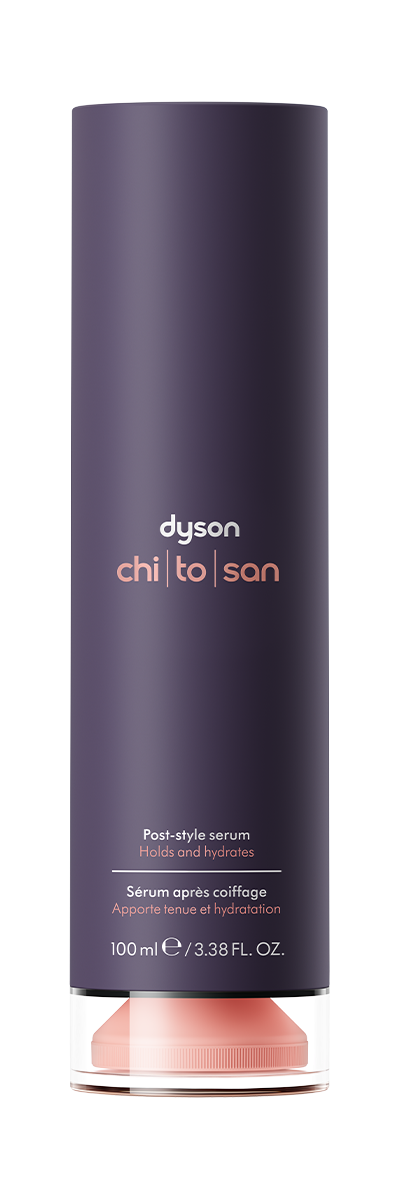
Chitosan™ Post-style serum
Launch product page — proposition, content and purchase flow taken live on Dyson's UAE store.
Add to basketRepresentation in our style — not Dyson's actual page design.
See it live →The problem
Burberry needed a shared, evidence-based view of where customers actually feel friction and delight across the journey — and which team owns fixing each one.
What we did
Built Burberry's customer journey maps and blueprinted them to the capabilities behind each moment — so every moment of pain and moment that matters had an owner and a fix.
The journey, mapped end to end
Illustrative of the method — the maps themselves are the client's.
How we map journeys →The problem
Alshaya Group needed a product roadmap grounded in real customer evidence across markets, not internal opinion about what to build next.
What we did
Ran customer research across KSA, UAE and Kuwait and built the product roadmap for Alshaya Group — sequencing what to build now, next and later, tied to the number each step moves.
Features per customer value slice, mapped by month
Illustrative of the method — the roadmap itself is the client's.
The problem
A UK telecoms and technology group had a growing backlog of digital initiatives with no shared way to prioritise them — teams pulled in different directions, and leadership had no single view of what to fund first or why.
What we did
Designed the target operating model and a prioritisation framework — including OKRs and a clear taxonomy — giving the organisation one shared way to sequence, govern and report on its roadmap.
The result
One prioritised, governed roadmap replaced a fragmented backlog — giving leadership a single view of what was being built, why, and in what order.
The problem
A major UK retail group had no shortage of AI ideas — the challenge was knowing which were actually worth funding, and in what order, rather than chasing whichever idea had the loudest sponsor.
What we did
Built an AI idea evaluation framework: a consistent, repeatable way to score each idea against commercial impact, feasibility and effort, so genuinely different ideas could be compared on the same terms.
The result
A ranked, funded pipeline of AI initiatives — replacing ad hoc idea selection with a repeatable evaluation process the business could keep using.
How we make AI pay in retail →